As of April 2026, THC prescription pills and other medical marijuana products have shifted from Schedule I to Schedule III controlled substances under federal law, a landmark change that finally recognizes their medical value but leaves employment protections firmly in state hands. For the millions of medical cannabis patients who rely on THC formulations to manage chronic pain, seizure disorders, and other conditions through their endocannabinoid system this rescheduling represents progress, yet it stops short of guaranteeing workplace protections. The reality is nuanced: while federal rescheduling allows for expedited DEA registration and signals a major policy shift, it doesn’t prevent employers from drug testing or disciplining patients who use prescription cannabis off the clock.
What’s changed is the legal landscape, not the immediate employment picture. Right now, 27 of the 41 medical cannabis states offer some level of protection for employees or job applicants, though none permit on-the-job impairment. States like Arizona, Illinois, and New Jersey have carved out explicit safeguards, while others remain silent, leaving patients vulnerable to termination even with a valid prescription. For HR professionals navigating 2026 workplace policies, the challenge is balancing federal compliance with evolving state mandates. For patients and advocates, understanding which protections exist where and how to document medical use has never been more critical.
This moment offers both opportunity and urgency. The rescheduling opens doors for research, banking access, and broader acceptance, but the patchwork of state laws demands informed action from employers and employees alike.
What Changed: Federal Rescheduling of Medical Marijuana in 2026
On April 22, 2026, the U.S. Department of Justice issued a final order that fundamentally changed how federal law treats medical marijuana. The DOJ order rescheduled marijuana by moving FDA-approved drug products containing marijuana, and medical marijuana products lawfully manufactured, distributed, and dispensed under state-issued licenses, from Schedule I to Schedule III of the Controlled Substances Act. This shift places prescription cannabis pills alongside medications like ketamine and anabolic steroids, substances recognized for medical use but still controlled.
For prescription cannabis pills specifically, the rescheduling means reduced federal criminal penalties and a streamlined path for state-licensed manufacturers, distributors, and dispensers to register with the DEA through a new expedited review process. This makes it easier for legitimate medical cannabis businesses to operate without the threat of severe federal prosecution. The change also acknowledges how weed works within the body’s endocannabinoid system as a recognized medical intervention, validating decades of patient experience and clinical research.
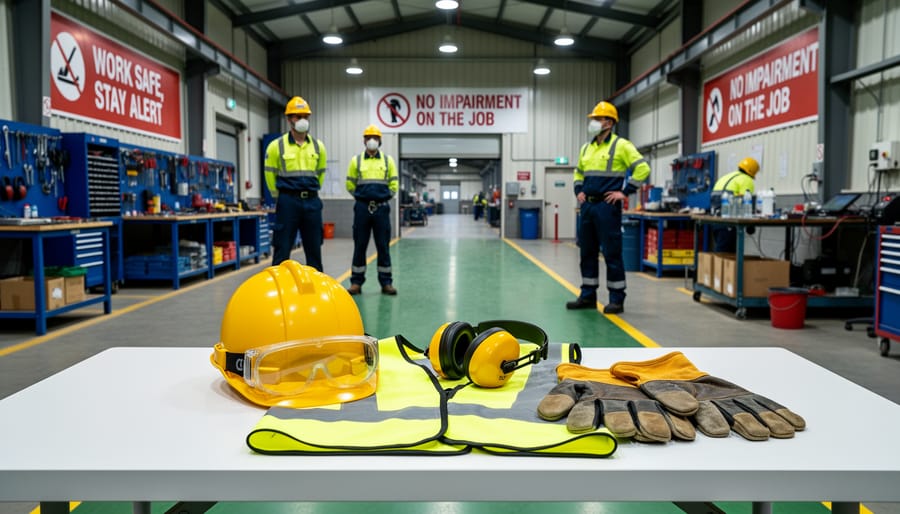
What the order does not do is equally important. It’s limited strictly to medical marijuana activity and does not broadly legalize marijuana for recreational use under federal law, even in states where recreational cannabis is legal. More critically for workers and employers, rescheduling doesn’t override state-level employment laws or workplace safety policies. A patient with a legal prescription for THC pills still cannot use them during work hours or show up impaired, and employers retain the right to enforce drug-free workplace policies where safety is paramount.
Key Developments: State-by-State Employment Protections for Medical Cannabis Patients
1. Twenty-Seven States Now Offer Some Employment Protections
As of 2026, 27 states offer employment protections for medical cannabis patients, reflecting a growing recognition that prescription THC pills and other medical marijuana products serve a legitimate therapeutic purpose. These protections don’t grant blanket immunity or a right to use cannabis at work, but they do establish guardrails against discrimination and create pathways for reasonable accommodation.
The 27 states with some form of employment protection are:
- Northeast: Connecticut, Delaware, Maine, Massachusetts, New Hampshire, New Jersey, New York, Pennsylvania, Rhode Island, Vermont
- Mid-Atlantic & South: Maryland, Virginia, West Virginia
- Midwest: Illinois, Minnesota, Missouri, South Dakota
- Mountain West: Montana, New Mexico, Utah
- Southwest & West: Arizona, Arkansas, California, Louisiana, Nevada, Oklahoma, Washington
What “some protections” typically means in practice: these states prohibit employers from refusing to hire, penalizing, or terminating employees solely because they hold a valid medical marijuana card or test positive for THC metabolites from off-duty use. Many state laws frame this as a reasonable accommodation requirement, similar to how employers handle prescription medications. In other jurisdictions, courts or state attorneys general have interpreted existing medical cannabis statutes to include anti-discrimination provisions, even when the law doesn’t spell them out explicitly.
Critically, no state allows patients to use THC prescription pills or any cannabis product while working, and none permit on-the-job impairment. Employers retain full authority to enforce safety standards, maintain drug-free workplace policies for federally regulated positions, and take action when an employee’s cannabis use demonstrably affects performance or poses a safety risk. The protections cover off-duty medical use and reasonable accommodation discussions, not a free pass to work under the influence.
2. Exceptions and Limited Protections in Louisiana, Utah, and Maryland
Louisiana, Utah, and Maryland each offer limited employment protections that exclude most medical cannabis patients from safeguards available in other states. In Louisiana and Utah, protections apply exclusively to state and local government workers, leaving private-sector employees with no legal recourse if they face discipline or termination for off-duty use of THC prescription pills. Maryland takes a different approach, extending protections only to fire and rescue employees, a narrow carve-out that reflects the state’s focus on specific safety-critical roles rather than broad patient rights.
These carve-outs exist primarily because legislators balanced competing concerns: acknowledging medical cannabis as legitimate therapy while deferring to private employers’ autonomy and safety prerogatives. In Louisiana and Utah, lawmakers opted for incremental change, testing protections in the public sector before considering broader coverage. Maryland’s fire-and-rescue-only provision likely emerged from union advocacy and recognition that these workers face unique injury risks that medical cannabis might address, yet the state stopped short of extending similar protections to other occupations.
For private-sector employees in these three states, the practical impact is stark. A patient using state-licensed THC prescription pills under a doctor’s supervision has no recourse if their employer enforces a zero-tolerance drug policy, even when use occurs entirely off-duty and causes no impairment at work. This gap underscores the ongoing tension between state medical programs and employer rights, and it highlights why advocacy efforts remain critical in states where protections lag behind the federal rescheduling momentum.
3. No State Permits Impairment on the Job
Here’s the clearest workplace reality for medical cannabis patients: you cannot use THC prescription pills or any cannabis product during work hours, and you cannot report to work impaired. This rule holds across all 27 states with employment protections. Legal accommodation does not mean permission to medicate on the clock.
Employers retain full authority to enforce safety and performance standards. If a supervisor observes impairment, slowed reaction time, coordination issues, altered judgment, they can remove an employee from duty, regardless of prescription status. The protection these state laws provide applies to off-duty use only. Think of it like prescription opioids: you’re allowed to take them as prescribed at home, but your employer can still prohibit use during shifts and maintain a drug-free workplace policy.
What does “accommodation” actually look like? In practice, it means an employer cannot fire or refuse to hire you solely because you’re a registered medical cannabis patient or test positive for THC metabolites from off-duty use. The accommodation protects your status as a patient, not your right to be medicated while working. You’re still responsible for arriving fit for duty and maintaining job performance.
This distinction matters especially in safety-sensitive roles. Bus drivers, equipment operators, nurses administering medication, no state law forces employers to accommodate active impairment in these positions. The federal rescheduling in April 2026 did not change this dynamic. Medical marijuana moved to Schedule III, but workplace safety obligations remained intact.
The takeaway: prescription cannabis pills offer a medicalized, standardized therapy option, but they do not exempt patients from fundamental workplace expectations around sobriety and performance during working hours.
Why It Matters: Navigating Prescription Cannabis in Today’s Workplaces
The tension between federal rescheduling, state-level protections, and workplace safety obligations creates a confusing landscape for everyone involved. For employees who rely on THC prescription pills to manage chronic pain, anxiety, or other qualifying conditions, the stakes are high: a positive drug test can mean lost income, terminated health coverage, or a damaged career. Employers, meanwhile, must balance their duty to accommodate medical needs against legitimate safety concerns, especially in industries like transportation, construction, or healthcare where impairment poses real risks. HR professionals find themselves navigating a patchwork of 27 different state frameworks, each with its own definitions of reasonable accommodation, safety-sensitive roles, and disclosure requirements.
THC prescription pills may shift this conversation in meaningful ways. Unlike smoked or vaped cannabis, these products deliver standardized, measurable doses, making it easier for patients to track their intake and avoid impairment during work hours. A patient taking a 5 mg THC pill at bedtime for insomnia presents a different scenario than someone who smokes throughout the day, yet many workplace drug tests cannot distinguish between the two. This is where the difference between 0.03% THC hemp products and prescription cannabis becomes critical: employers need clear policies that differentiate medicinal use from impairment, and testing technologies have not kept pace.
Can I be fired for using THC prescription pills off-duty?
It depends on your state. In 27 states, medical cannabis laws offer some employment protections, but many carve out exceptions for safety-sensitive positions or allow termination if you test positive and cannot prove off-duty use.
Do I have to disclose my prescription to my employer?
State laws vary, but most protections kick in only after you disclose your medical cannabis status and request accommodation. Check your state’s specific requirements before sharing.
What if I work in a safety-sensitive role?
Even in states with strong protections, employers can enforce zero-tolerance policies for roles involving heavy machinery, driving, or public safety. None of the 27 states permit working while impaired.
Community education and policy advocacy are bridging the gap. Platforms like HempLife Alliance connect patients with resources to understand their rights, help employers craft fair policies, and amplify voices pushing for science-based accommodation standards. As the medical cannabis industry matures in 2026, collaboration between patients, HR teams, and advocacy groups will determine whether federal rescheduling translates into real workplace protections or remains a legal formality.
What to Watch: The Road Ahead for Prescription Cannabis and Employment

The federal rescheduling opens the door for momentum that could reshape workplace cannabis policies over the next few years. As the DEA’s new expedited registration process for state-licensed entities comes online, we may see broader product availability and greater standardization in THC prescription pills, factors that could shift employer attitudes from blanket prohibition toward accommodation. More states are likely to adopt or strengthen employment protections as medical marijuana becomes a Schedule III substance rather than a forbidden Schedule I drug. Legislators and advocacy groups are already watching to see whether the federal signal will encourage states without protections to reconsider their stance, particularly in jurisdictions where medical cannabis programs are well-established but employee rights remain murky.
Industry groups, patient advocacy organizations, and platforms like HempLife Alliance will play a crucial role in bridging the gap between patient rights and employer concerns. By sharing best practices, hosting educational webinars, and amplifying patient stories, these communities can demonstrate that reasonable accommodation and workplace safety are not mutually exclusive. Understanding cannabis interaction with the body’s natural systems helps inform smarter policies, ones that recognize the difference between off-duty medical use and on-the-job impairment.
Stay informed about developments in your state, participate in public comment periods when agencies draft new rules, and connect with local and national advocacy networks. The road ahead is still being paved, but the combination of federal rescheduling, state-level innovation, and community-driven advocacy creates real opportunities for progress. The more voices that contribute to this dialogue, the more likely we are to see policies that respect both patient rights and employer responsibilities in 2026 and beyond.
The April 2026 federal rescheduling marked a turning point, but the real work happens in conversations between patients, employers, and policymakers across all 50 states. THC prescription pills, standardized, dosable, and increasingly recognized as legitimate medicine, offer a path toward policies grounded in evidence rather than outdated stigma. Workplaces are catching up, state by state, protection by protection. As 27 states now provide some employment safeguards and new DEA registration pathways open, the momentum favors innovation and inclusion. Stay engaged with your community, share accurate information, and advocate for fair treatment. The landscape is evolving fast in 2026, and together we’re building a future where medical cannabis patients can work without fear while employers maintain safe, productive environments.