

The playing field is shifting. As cannabis continues its march toward mainstream acceptance, an unexpected alliance is emerging between cannabis brands and one of the world’s most-watched sports industries: football betting. Major betting platforms like aposta tudo bet br now operate in landscapes where both cannabis and sports wagering face rapidly evolving regulations, creating unique opportunities for cross-industry partnerships that seemed impossible just years ago.
This convergence represents more than clever marketing—it signals a cultural transformation. Cannabis companies are discovering that football betting audiences align remarkably well with their target demographics: adults seeking entertainment, wellness-focused consumers exploring plant-based alternatives, and progressive communities embracing regulated industries once pushed to society’s margins.
The numbers tell a compelling story. Legal cannabis markets generated over $30 billion in North American sales last year, while sports betting platforms saw exponential growth following widespread legalization. Both industries share similar trajectories—emerging from prohibition, fighting stigma, and building legitimacy through regulation and responsible marketing. This parallel journey creates natural synergies for brand partnerships that benefit from shared audiences and complementary values.
Yet navigating this intersection requires understanding complex regulatory frameworks, platform-specific advertising restrictions, and cultural sensitivities around both substances and gambling. Cannabis brands entering football betting sponsorships must balance ambitious growth goals with responsible messaging that honors the progress both industries have made.
This article explores how cannabis companies are strategically approaching football betting partnerships, the regulatory landscape shaping these opportunities, successful case studies breaking new ground, and practical considerations for brands ready to enter this dynamic space. The future of cannabis marketing may well be written on the pitch.
The New Playing Field: Why Cannabis Brands Are Eyeing Football Sponsorships

Breaking Down Stigma Through Sports
Sports have always possessed a unique ability to bring people together, transcending boundaries and challenging preconceptions. When cannabis brands partner with football leagues and betting platforms, they’re tapping into this unifying power to reshape public perception in meaningful ways.
The cannabis industry faces an uphill battle against decades of stigma, despite growing evidence of medicinal benefits and shifting legal landscapes. By aligning with beloved sports teams and leagues, cannabis companies gain something invaluable: credibility by association. When fans see cannabis branding alongside trusted household names during game day, it normalizes the conversation in living rooms across the country.
This visibility matters especially for reaching skeptical audiences who might otherwise dismiss cannabis outright. A parent watching their favorite team play might notice a CBD sponsor and begin questioning their assumptions. A grandparent enjoying football betting might encounter hemp-derived product advertisements and spark conversations with younger family members who already understand the benefits.
Football betting partnerships offer particularly fertile ground for this cultural shift because they combine the passion of sports fandom with the engagement of interactive entertainment. These sponsorships don’t just place logos on jerseys; they create touchpoints where education meets entertainment, allowing brands to share their stories authentically.
The result is a gradual but powerful transformation. As cannabis brands demonstrate their commitment to community values through sports partnerships, they earn the chance to participate in mainstream culture, fostering understanding one game at a time.
The Betting Connection: A Natural Partnership?
At first glance, cannabis brands and football betting platforms might seem like unlikely partners, but a closer look reveals compelling connections that make this relationship surprisingly organic. Both industries serve audiences seeking adult entertainment experiences centered around relaxation, social engagement, and enhanced enjoyment of leisure time. This shared demographic foundation creates natural synergy that forward-thinking brands are beginning to recognize and leverage.
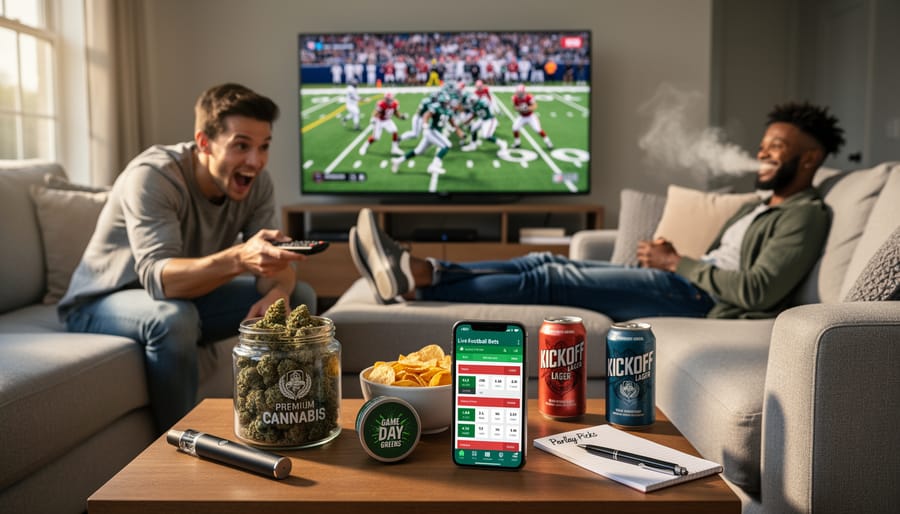
Football betting enthusiasts often gather with friends to watch matches, placing wagers that amplify the excitement of each goal and play. Similarly, cannabis consumers frequently seek products that complement social settings and recreational activities. The overlap is significant: adults looking to unwind, celebrate moments with their community, and heighten their entertainment experiences. Both industries emphasize responsible adult use, stress management, and the ritualistic aspects of their respective products and services.
From a marketing perspective, this partnership addresses evolving consumer preferences. Today’s audiences increasingly reject outdated stigmas, embracing wellness-oriented lifestyles that may include both legal cannabis products and recreational betting. The entertainment value proposition aligns seamlessly—whether it’s the anticipation of a match outcome or the calming effects of CBD after a long week, both industries speak to personal choice and individual enjoyment.
This synergy extends beyond demographics to cultural positioning. As cannabis continues its journey toward mainstream acceptance, associating with established entertainment sectors like sports betting helps normalize the industry. Meanwhile, betting platforms gain partnerships with innovative brands that resonate with younger, progressive audiences. It’s a relationship built on shared values of adult freedom, entertainment, and community connection.
Current Landscape: Who’s Already in the Game
International Trailblazers
Europe has emerged as the global frontrunner in normalizing cannabis brand partnerships with football organizations, creating a blueprint that other markets are beginning to follow. These pioneering sponsorship deals reflect not just changing attitudes toward cannabis, but a sophisticated understanding of how to integrate hemp-derived products into mainstream sports culture responsibly.
In Switzerland, where cannabis regulations have evolved progressively, several football clubs have partnered with CBD wellness brands. These collaborations focus primarily on recovery products and athletic performance supplements, positioning cannabis compounds as legitimate tools for athlete wellness rather than controversial substances. The approach emphasizes education and destigmatization, with brands hosting community events at matches to explain the science behind CBD benefits.
The United Kingdom has witnessed similar developments, particularly around CBD sponsorships in lower league football clubs. These partnerships often highlight the therapeutic potential of cannabis compounds while staying firmly within legal boundaries. Brands are building authentic connections with local communities through grassroots initiatives, supporting youth programs and wellness workshops that extend beyond matchday visibility.
In Portugal and Spain, where cannabis policies continue advancing, innovative sponsorship models are emerging that combine brand visibility with advocacy messaging. These deals often incorporate educational components, with clubs and sponsors collaborating on content that addresses misconceptions and promotes informed conversations about cannabis normalization.
These international examples demonstrate how thoughtful sponsorship strategies can benefit both football organizations seeking new revenue streams and cannabis brands aiming to establish credibility in mainstream markets, all while fostering broader acceptance within diverse communities.
North American Innovations
The landscape for cannabis brand sponsorships in North American football is evolving at different speeds across states and provinces, creating both exciting opportunities and complex challenges for innovative brands. In the United States, where cannabis remains federally illegal despite state-level legalization, companies are pioneering creative approaches to reach football audiences while respecting the patchwork of regulations.
Several Canadian licensed producers have taken the lead in establishing partnerships with Canadian Football League teams, benefiting from nationwide legalization that provides clearer pathways to mainstream sports marketing. These trailblazers are demonstrating how cannabis brands can authentically connect with football communities through responsible messaging focused on wellness, recovery, and adult recreational enjoyment.
In U.S. markets, brands operating in states with robust legal frameworks are exploring sponsorship opportunities with regional football programs, from college teams to minor league organizations. Some companies are focusing on CBD-specific partnerships, which navigate federal restrictions more easily while still building brand recognition among sports enthusiasts. This strategic approach allows brands to establish presence in the sports world without triggering federal advertising concerns.
The innovation extends beyond traditional logo placements. Forward-thinking cannabis companies are developing community engagement programs, educational initiatives about responsible use, and athlete wellness partnerships that emphasize the therapeutic potential of cannabis products for recovery and pain management. These value-driven approaches resonate with both teams seeking meaningful partnerships and audiences increasingly open to cannabis normalization.
Success stories are emerging from brands that prioritize compliance, authenticity, and community benefit over mere visibility. By working closely with legal experts and sports organizations, these pioneers are establishing best practices that will guide the industry as regulations continue evolving. The key lies in patience, creativity, and genuine commitment to enhancing the football experience while respecting both regulatory frameworks and community values.
Navigating the Regulatory Maze
Advertising Restrictions and Creative Workarounds
Navigating advertising restrictions in the cannabis and sports intersection requires creativity and careful attention to evolving regulations. While traditional cannabis advertising faces significant barriers in many jurisdictions, forward-thinking brands are discovering innovative pathways to connect with football betting audiences while remaining fully compliant.
Current limitations vary dramatically by region. In many areas, direct cannabis advertising during sporting events remains prohibited, particularly where broadcasts reach audiences including minors. Some platforms restrict not just product promotion but even educational content about cannabis, creating a complex landscape for marketers to navigate. These challenges extend to digital spaces, where social media platforms often impose stricter policies than local laws require.
However, the industry is responding with remarkable ingenuity. CBD brands, benefiting from their legal distinction in many markets, have pioneered sponsorship models that focus on wellness messaging rather than product-forward advertising. Some companies sponsor individual athletes as brand ambassadors, leveraging personal storytelling to build authentic connections with sports enthusiasts. Others invest in content partnerships that educate audiences about hemp-derived products within sports wellness contexts.
Geotargeting technology enables brands to deliver compliant messaging to specific markets where regulations permit more openness. Meanwhile, sponsorship of betting-focused content rather than live games themselves provides another compliant avenue, particularly in digital spaces where audience demographics can be verified.
These workarounds demonstrate the cannabis community’s commitment to responsible growth. By prioritizing compliance and focusing on education over aggressive promotion, brands are building sustainable visibility that respects both regulatory frameworks and consumer trust, gradually normalizing cannabis presence in mainstream sports culture.
The International Patchwork
Navigating cannabis brand sponsorships in football betting requires understanding a complex global landscape where what’s celebrated in one country might be prohibited in another. This regulatory patchwork presents both exciting opportunities and significant challenges for cannabis companies looking to expand their reach through sports partnerships.
In North America, the landscape shifts dramatically between jurisdictions. While Canada’s federal cannabis legalization allows for more straightforward sponsorship arrangements with Major League Soccer teams, the United States presents a state-by-state puzzle. Some MLS clubs in legalized states have embraced CBD and cannabis partnerships, while teams in restrictive states face federal banking limitations and broadcasting complications that make such deals impractical.
Europe showcases even greater variation. Progressive nations like Portugal and the Netherlands have seen cannabis brands cautiously enter football sponsorship conversations, though strict UEFA regulations on gambling advertising often extend to alternative wellness products. Meanwhile, countries with conservative cannabis policies maintain firm boundaries against any association between the plant and professional sports.
This fragmentation creates strategic opportunities for nimble cannabis companies willing to craft region-specific approaches. Brands that invest in understanding local regulations, cultural attitudes, and league-specific policies can identify emerging markets before competitors. The key lies in building flexible sponsorship models that respect regional differences while maintaining brand consistency.
For forward-thinking cannabis companies, this international patchwork isn’t merely an obstacle but rather a dynamic environment where innovation and cultural sensitivity can unlock unprecedented marketing opportunities. As global attitudes continue evolving, early movers who navigate these complexities thoughtfully will establish themselves as leaders in sports-cannabis partnerships.
What This Means for Medical Cannabis and CBD Brands
Educational Opportunities Through Sponsorship
Cannabis brand sponsorships in football betting create unique opportunities to bridge the gap between sports entertainment and evidence-based education about hemp and its derivatives. These partnerships offer visibility that extends far beyond traditional advertising, positioning brands as trusted information sources within passionate fan communities.
When cannabis companies sponsor football betting platforms, they gain access to engaged audiences during high-stakes moments of excitement and community connection. This visibility allows brands to share accurate information about medical cannabis benefits, helping dispel outdated misconceptions while highlighting legitimate therapeutic applications. These educational initiatives reach demographics who might not otherwise seek out cannabis-related information, expanding awareness organically.
The sponsorship model also provides platforms for explaining CBD applications in wellness and recovery contexts that resonate with sports enthusiasts. Athletes and active individuals increasingly recognize CBD’s potential for managing discomfort and supporting overall well-being, making football audiences particularly receptive to these messages.
Additionally, these partnerships showcase hemp-related innovations, from sustainable textiles to nutritional products, demonstrating the plant’s versatility beyond cannabis alone. By integrating educational content with entertainment, sponsorships normalize conversations around hemp while building trust through transparent, factual communication. This approach strengthens community connections and advances industry legitimacy, creating pathways for broader acceptance and understanding across diverse audiences.
Athlete Wellness Narratives
The intersection of athletic wellness and cannabis is creating powerful narratives that resonate deeply with football audiences. As more professional athletes share their personal experiences with CBD for post-game recovery and medical cannabis for managing chronic pain, these authentic stories are breaking down stigma and building trust within the sports community.
Former players speaking openly about their journey from prescription painkillers to plant-based alternatives have become particularly compelling ambassadors for cannabis brands. These testimonials carry weight because football fans understand the physical toll of the sport—the grinding impacts, the lingering injuries, and the long-term health challenges athletes face. When a respected player discusses how CBD innovations helped them recover faster or manage inflammation without harsh pharmaceuticals, it transforms cannabis from a controversial topic into a legitimate wellness solution.
This storytelling approach creates authentic connections with audiences who may be exploring their own pain management options or seeking natural recovery methods. Cannabis brands that center athlete wellness narratives in their sponsorship strategies aren’t just promoting products—they’re fostering community conversations about health, recovery, and quality of life after sports. These genuine accounts help shift perceptions while educating fans about responsible, beneficial cannabis use grounded in real-world athletic experience.

The Fan Experience: How Sponsorships Could Change Football Culture
The presence of cannabis brand sponsorships in football betting represents a fascinating cultural shift that could fundamentally reshape how fans experience their favorite sport. As these partnerships become more visible across betting platforms, match-day broadcasts, and stadium environments, we’re witnessing the potential for a more progressive and inclusive football culture.
For enthusiasts who already embrace cannabis products for wellness and recreation, these sponsorships offer a sense of validation. Seeing cannabis brands alongside traditional advertisers signals that the stigma is lifting, creating conversations about responsible use and education. Stadium experiences could evolve to include designated wellness zones where fans learn about CBD products for recovery and stress management, mirroring how craft beer gardens have become standard features at modern venues.
The shift also opens exciting opportunities for innovative fan engagement. Interactive betting experiences sponsored by cannabis brands might incorporate educational components about both responsible gambling and product knowledge. Digital platforms could feature community-driven content where fans share how hemp-based products enhance their viewing rituals, from managing game-day anxiety to post-match recovery routines.
However, this transformation requires thoughtful consideration of diverse stakeholder perspectives. Parents attending matches with children understandably have concerns about age-appropriate messaging and advertising placement. Traditional fan groups may initially resist what they perceive as commercialization that diverges from football’s heritage. International broadcasting considerations also matter, as matches air in regions with varying legal frameworks and cultural attitudes toward cannabis.
The key to successful integration lies in transparency and education. When cannabis brands approach sponsorships with community-building intentions rather than purely commercial motives, they can help normalize conversations about plant-based wellness while respecting those who remain skeptical. By prioritizing responsible messaging and creating inclusive spaces for dialogue, these partnerships can enrich football culture rather than divide it, ultimately demonstrating how progressive industries can coexist with beloved sporting traditions.
Challenges and Controversies to Watch
While cannabis brand sponsorships in football betting represent an exciting frontier for industry growth, they also bring legitimate concerns that deserve thoughtful consideration. Understanding these challenges helps our community navigate this evolving landscape responsibly.
Youth exposure remains the most pressing concern for regulators and parents alike. Football’s massive appeal to younger audiences creates inherent tension when promoting cannabis brands, even those focused solely on legal CBD products. Broadcasting matches featuring cannabis sponsorships requires careful messaging strategies that distinguish adult-oriented products from youth-accessible content. Industry leaders recognize this responsibility, with many brands voluntarily implementing age-gated digital advertising and family-friendly branding approaches that emphasize wellness rather than recreational use.
The intersection of substance use messaging and athletic performance presents another complex consideration. Professional sports leagues have historically promoted health and peak physical conditioning, making partnerships with any substance-related brand potentially controversial. Some athletes and coaches express concern about conflicting messages, particularly in European football where leagues maintain strict anti-doping policies. However, progressive voices within sports medicine increasingly acknowledge CBD’s potential therapeutic applications for pain management and recovery, suggesting these conversations reflect broader societal evolution rather than insurmountable obstacles.
Traditionalist fan segments often push back against cannabis sponsorships, viewing them as incompatible with football’s heritage. This resistance sometimes stems from outdated stigma rather than evidence-based concerns, yet brands must acknowledge these perspectives when entering partnerships. Some sponsor competitors, particularly alcohol brands with longstanding football relationships, may lobby against cannabis industry inclusion, creating political challenges beyond public perception.
Regulatory inconsistency across jurisdictions compounds these difficulties. A sponsorship acceptable in one country might violate regulations in another where matches are broadcast, forcing brands to navigate complex compliance landscapes. Different product categories face varying restrictions, with hemp-derived CBD generally receiving more favorable treatment than THC-containing products.
Despite these hurdles, the cannabis industry’s commitment to responsible marketing practices positions it well to address concerns proactively. By prioritizing transparency, supporting robust age verification systems, and engaging constructively with critics, cannabis brands can demonstrate their value as legitimate partners in football’s commercial ecosystem while advancing broader normalization efforts.
The Road Ahead: Future Opportunities for Innovation
The convergence of cannabis branding, football culture, and betting platforms stands at an exciting threshold, with emerging technologies and collaborative frameworks poised to transform how these industries intersect. As acceptance grows and regulations evolve, we’re witnessing the foundation being laid for innovations that could redefine fan engagement while prioritizing wellness and responsibility.
Virtual and augmented reality present particularly compelling opportunities for cannabis brands seeking meaningful connections with football audiences. Imagine pre-match experiences where fans explore cannabis wellness education through immersive VR environments sponsored by leading CBD brands, or AR stadium features that highlight responsible consumption information alongside betting odds. These technologies allow brands to create memorable, value-driven interactions without crossing into prohibited advertising territory, building trust through education rather than traditional marketing approaches.
Data partnerships represent another frontier with significant potential. Betting platforms already collect extensive information about user behavior and preferences, while cannabis wellness applications track consumption patterns and health outcomes. Ethical collaboration between these sectors could yield insights that benefit consumers directly, such as personalized recommendations for relaxation products based on stress indicators, or integrated platforms that promote mindful entertainment choices. These partnerships require careful consideration of privacy and consent, but done right, they exemplify how technology can serve consumer wellbeing.
Industry organizations like HempLife Alliance play a crucial role in shaping how these opportunities develop. By facilitating dialogue between cannabis companies, sports entities, and betting operators, advocacy groups can establish best practices that prioritize responsible growth over rapid expansion. This collaborative approach ensures that innovation serves community interests, protecting vulnerable populations while creating space for legitimate businesses to thrive.
The road ahead also includes opportunities for grassroots sponsorships at lower football leagues, where brands can test approaches and build authentic relationships with local communities. These smaller-scale initiatives often provide valuable learning experiences that inform broader strategies, creating pathways for brands that prioritize substance over spectacle. As these partnerships mature, they’ll likely demonstrate models for integration that respect both the spirit of sport and the therapeutic potential of cannabis products.
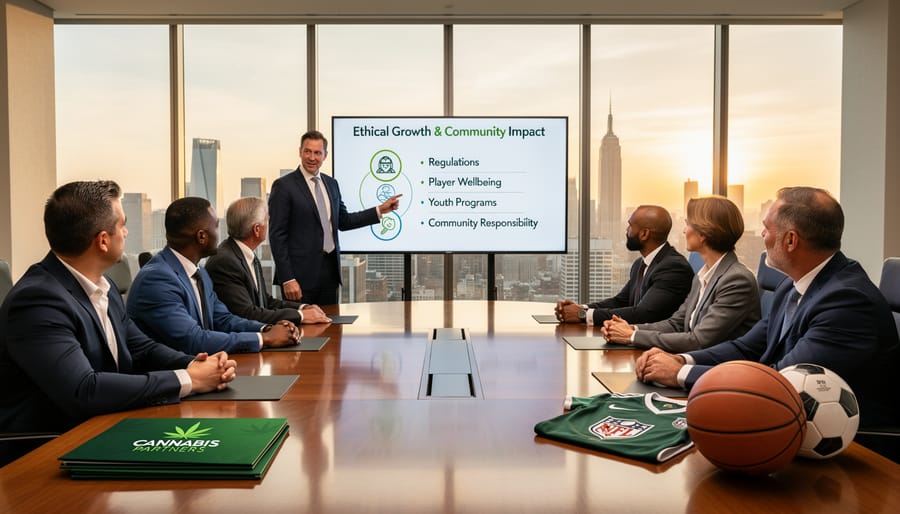
The convergence of cannabis brand sponsorships and football betting represents more than just a marketing opportunity. It signals a pivotal moment in the normalization of cannabis within mainstream culture and commerce. As regulatory frameworks continue evolving and public perception shifts, we stand at the threshold of unprecedented possibilities for brands willing to navigate this landscape with integrity and innovation.
The challenges are real and shouldn’t be minimized. Regulatory complexity, lingering stigma, and the need to balance commercial interests with community responsibility require careful consideration. Yet these obstacles also present opportunities for industry leaders to demonstrate that cannabis businesses can operate with the same professionalism and ethical standards expected of any major corporate sponsor. The key lies in approaching these partnerships thoughtfully, prioritizing transparency, responsible messaging, and genuine value creation for all stakeholders.
Platforms dedicated to building bridges between cannabis advocacy and mainstream acceptance play a crucial role in this transition. By fostering dialogue, sharing best practices, and highlighting successful partnerships, the industry can collectively elevate standards and demonstrate the positive contributions cannabis businesses can make to sports communities and beyond.
For industry professionals, the message is clear: engage with this evolving landscape proactively rather than reactively. Whether you’re a cannabis entrepreneur exploring sponsorship opportunities, a sports marketing specialist evaluating emerging trends, or an advocate monitoring industry developments, your voice matters in shaping how these partnerships unfold. By committing to ethical practices, community-focused initiatives, and continuous innovation, we can transform this intersection of cannabis and sports into a model for responsible business growth that benefits everyone involved. The future is bright for those willing to step forward with vision and values aligned.


